Where to Buy Bass Guitars: A Practical Guide for Musicians
Bass players know the struggle. You spend hours scrolling through listings, watching demo videos, and reading forum threads. Then you finally find that one instrument that looks right. But buying a bass guitar sight unseen still carries risk. The neck could be warped. The electronics might hum. The finish could be worse than the photos suggest. I have been through this cycle more times than I can count, and I have learned a few things along the way about where to buy bass guitars and how to make sure you get a good one.
The market for bass guitars has changed a lot in the last decade. Online shops have grown huge, and the used market is bigger than ever. But the local music store still matters. Each option has its own trade-offs, and knowing them helps you spend your money wisely. Whether you are after a vintage Fender Precision or a modern Ibanez with active pickups, the buying experience shapes what you end up with.
Why Online Marketplaces Dominate
Sites like Reverb and Sweetwater have become the default places to buy bass guitars for many players. Reverb connects you directly with sellers around the world, which means you can find everything from a beat-up 1970s Rickenbacker to a brand new Music Man StingRay Special. The search filters let you narrow down by year, finish, price range, and even specific pickup types. I once found a Japanese Ibanez from the 1980s on Reverb that had exactly the slim neck I wanted, and the seller provided detailed measurements and photos of every scratch. That kind of transparency helps a lot.
Sweetwater takes a different approach. They are a large retailer, but they assign a personal sales engineer to each order. When I bought a Warwick RockBass from them a few years ago, the sales engineer called me to discuss string gauge preferences and setup options before the instrument shipped. That personal touch matters when you are spending over a thousand dollars on a bass. Sweetwater also inspects every instrument before it leaves the warehouse, which reduces the chance of getting a dud.

Thomann is another major player, especially for players in Europe. Their house brand, Harley Benton, offers surprisingly good budget instruments, but they also stock Yamaha, Fender, and Gibson at competitive prices. The main downside with Thomann is shipping time and return costs if you live outside the EU. I have ordered cables and accessories from them without issue, but for a full bass guitar, I would rather try it in person first.
Used Gear: The Hidden Gem
Buying used bass guitars can save you a lot of money, but it requires patience and a careful eye. Reverb is the largest used marketplace by volume, but you can also find good deals on Facebook Marketplace or local classifieds. The key is knowing what to look for. Check the truss rod adjustment range. Look at the fret wear, especially on the lower frets. Ask about the pickup condition, and whether the electronics have been modified. A bass with passive pickups is generally easier to troubleshoot than one with active pickups, because active circuits can fail and be hard to replace.
I once bought a used Fender Jazz Bass from a seller on Reverb who claimed the electronics were original. When it arrived, the pickups had been swapped for aftermarket ones, and the wiring was a mess. The seller refunded part of the price, but I still had to pay a local technician to rewire the whole thing. That experience taught me to always ask for clear photos of the control cavity and the pickup cavities before committing. Good sellers will provide those. If they hesitate, walk away.
Local Music Stores Still Matter
Despite the convenience of online shopping, the local music store remains one of the best places to buy bass guitars, especially for beginners. You can pick up the instrument, feel the weight, and hear how it sounds through a bass amplifier in the store. You can also compare a maple fretboard versus a rosewood fretboard on the same model, which is something no online listing can fully replicate. Maple gives a snappier attack, while rosewood feels smoother under the fingers. The difference is subtle until you play them side by side.
Local stores also offer setup services. If you buy a bass online, you often have to pay extra for a proper setup. A store that sells you the instrument might include a basic setup for free. One shop near me adjusts the intonation and neck relief on every new bass they sell, which saves the buyer both time and money. They also stock essential accessories like a DI box, a compressor pedal, and a tuner pedal, so you can grab everything you need in one trip.
The main downside of local stores is selection. They cannot stock every brand and model. If you want a specific finish of a Music Man or a rare Warwick, you will probably have to order it. But for common models like a Fender Precision or a Gibson Epiphone, local stores usually have them in stock. And if you build a relationship with the staff, they might let you know when a used gem comes in on trade.
What to Look For When Buying Online
When you decide to buy bass guitars online, there are a few practical checks that can save you headaches. First, read the return policy carefully. Some sellers charge a restocking fee, and some do not accept returns on used gear at all. Sweetwater offers a 30-day return policy on most items, which gives you time to evaluate the instrument at home. Reverb sellers each set their own policy, so you have to check before you click buy.
Second, consider the shipping. Bass guitars are large and fragile. A hard case is better than a gig bag for shipping, but many used basses come in soft cases. If the seller uses a gig bag, ask them to pack the instrument with extra padding inside the box. I have seen basses arrive with cracked headstocks because the neck was not secured properly. A little extra bubble wrap makes a big difference.
Third, think about the electronics. Active pickups need a battery, and some basses have a preamp that requires a specific battery type. If you are buying a bass with active electronics, ask whether the battery compartment is clean and corrosion-free. Passive pickups are simpler and more forgiving. Many players prefer passive basses for that reason, especially for genres like rock and funk where you want the natural tone of the wood and strings to come through.
Recording and Practice Setup
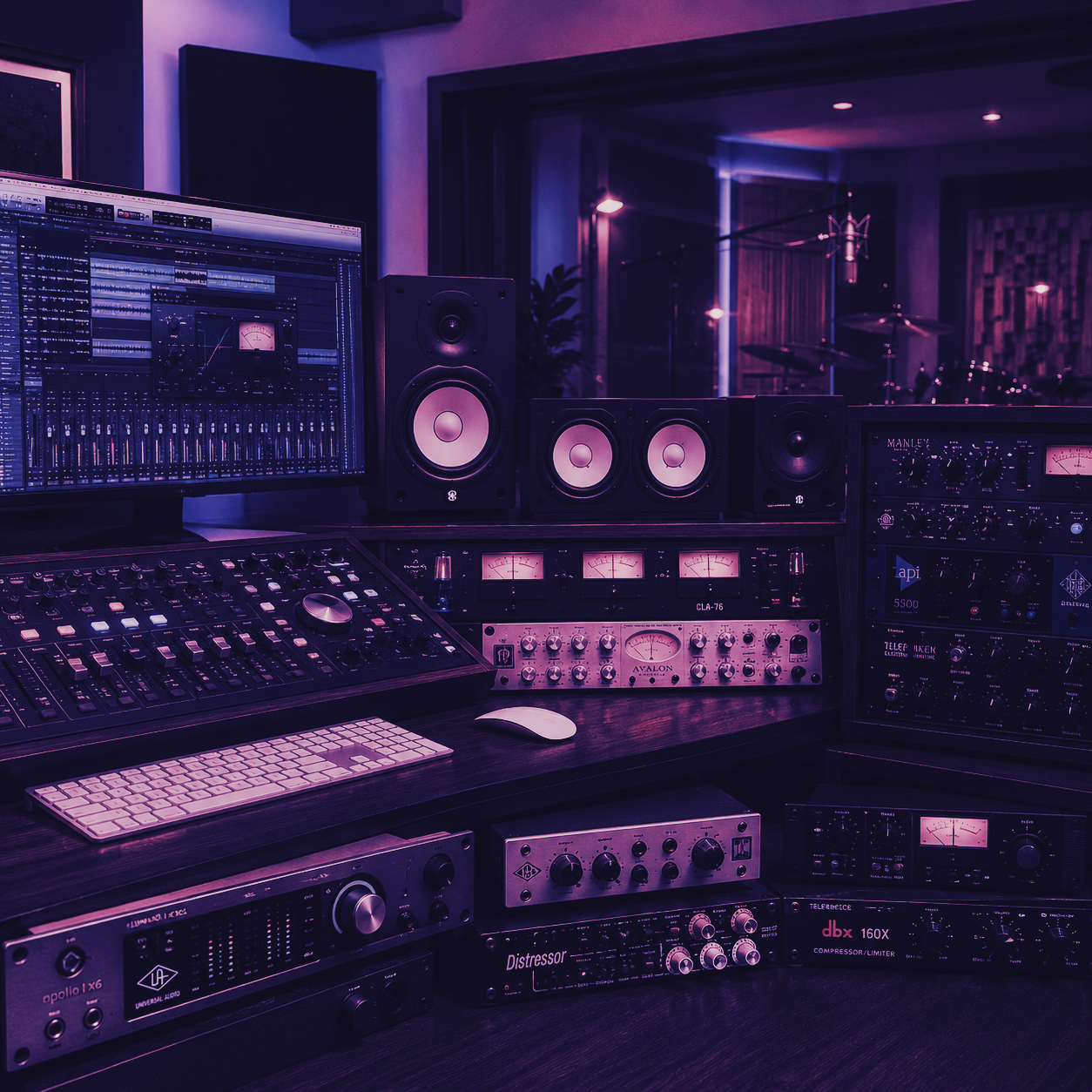
Once you have the bass, you need a way to hear it and record it. A good bass amplifier is important for live playing, but for home practice and recording, a DI box and a DAW like Reaper DAW can replace a full amp setup. Reaper is affordable and works well for recording bass directly into your computer. You can add amp sims and effects without needing a loud speaker. A compressor pedal also helps tame the dynamics, especially if you play fingerstyle with varying attack.
A tuner pedal is another essential piece of gear. You can use a clip-on tuner, but a pedal tuner lets you mute your signal while tuning, which is useful during live sets. Many bassists also keep a DI box in their signal chain for quick connection to a soundboard. If you are recording at home, a simple setup with a DI box, a compressor, and Reaper DAW gives you professional results without spending thousands on gear.
I have recorded entire albums with just a Fender Precision bass, a DI box, and Reaper. The bass went through a compressor pedal first, then into the DI, then into the audio interface. That signal chain is clean, reliable, and easy to replicate. No need for a huge amp in the studio if you are going for a direct sound. Many producers prefer DI bass because it gives them more control in the mix.
Final Thoughts on the Buying Process
Whether you choose to buy bass guitars from a massive online retailer, a used marketplace, or a brick-and-mortar store, the most important step is to do your homework. Know what you want in terms of wood, pickups, fretboard material, and weight. Set a budget that includes accessories like a case, a tuner, and possibly a setup. And never rush into a purchase just because the price looks good. A cheap bass that plays poorly will sit in the corner, while a well-chosen instrument will inspire you to practice and perform.
The bass community is full of players who have bought and sold dozens of instruments over the years. We all have stories about the one that got away and the one we wish we never bought. But the process itself is part of the journey. Each new bass teaches you something about your playing style and your preferences. So take your time, ask questions, and trust your hands. The right instrument will feel right the moment you pick it up.
Ends · GETBUYBASSGUITARSMARKET